

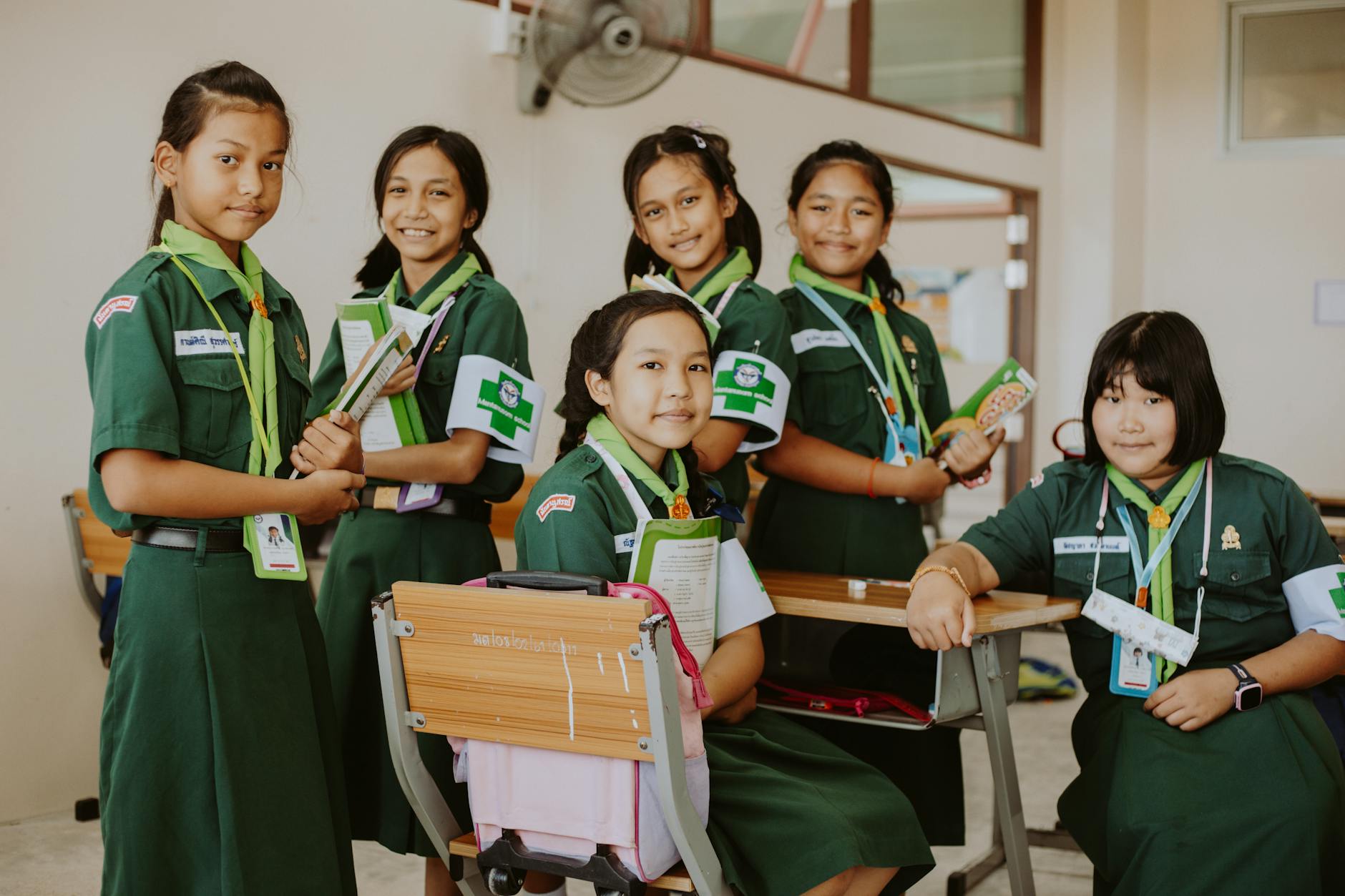
Why Exploring Art Centers in Australia Can Transform School Education

Benefits of Art Centers
Enhancing Creativity in Schools
As an educational strategist in Perth, I've seen firsthand how the enriching environment at art centers, like those in Fremantle, can significantly enhance creativity among students. Incorporating artistic activities into school curriculums opens avenues for students to express themselves beyond conventional academic boundaries. These centres offer a plethora of birthday party ideas, which educators can adapt into classroom settings to stimulate creative thinking and problem-solving skills.
Boosting Student Engagement
Utilising resources such as the educational facilities at the University of Western Australia, art centers are instrumental in boosting student engagement. Access to various mediums and techniques allows students to delve into hands-on experiences that build confidence and curiosity. Integrating experience gifts for her into lessons can capture students’ interest and offer fresh, interactive learning opportunities that invigorate passion and commitment to their studies.
Fostering Critical Thinking
Art centers play a vital role in fostering critical thinking by pushing students to explore new concepts and think independently. When students engage with projects that require thoughtful analysis and interpretation, they develop stronger analytical skills. This educational approach, supported by cultural workshops at the WA State Library, encourages students to draw connections between their artistic explorations and other academic disciplines, creating a well-rounded educational experience.
Key Features to Explore
Variety of Art Disciplines
Incorporating a diverse range of art disciplines is crucial in enriching the educational landscape. Whether you're looking into traditional painting, sculpture, or modern digital arts, each discipline offers unique insights and skills. For instance, a focus on pottery can lead to exciting opportunities such as pottery classes Brisbane where students can enhance their tactile learning and creativity. Additionally, exploring different mediums allows students to discover their preferences and talents, which can be a springboard for future interest or career opportunities.
Interactive Workshops and Classes
Interactive workshops are a linchpin in the realm of experiential learning. They provide educators and students with hands-on opportunities that foster engagement and understanding beyond theoretical knowledge. Consider the strategic integration of cultural workshops at the WA State Library, which can be tailored to suit various educational needs and objectives. By incorporating such workshops, educators can appeal to different learning styles and preferences, thus enriching their curriculum.
Community Exhibitions
Community exhibitions provide an excellent platform for students to display their work and engage with a broader audience. These exhibitions not only offer a sense of accomplishment but also encourage peer learning and community involvement. When students showcase their projects at local venues, like those akin to experience gifts, they gain invaluable feedback and appreciation, fostering a supportive community environment. Such interactions can deeply impact students’ motivation and capacity for critical thought.
Integrating Art in Education
Collaborations with Schools
One strategic approach to enriching education is through meaningful collaborations with art centers. Engaging with facilities such as those at the University of Western Australia provides numerous opportunities for students to explore art in a hands-on environment. Schools can partner with these institutions to offer a range of programs that align with the curriculum, from guided tours to immersive experiences that inspire innovation. This approach could also include connecting with the floristry courses Sydney to give students a taste of designing with nature.
Tailoring Programs for Curriculums
Art programs tailored to fit educational curriculums can deeply impact student learning outcomes. By integrating cultural workshops at the WA State Library or engaging with art centers in Fremantle, educators can create bespoke opportunities that resonate with their specific classroom needs. These tailored programs support different learning styles and can be adjusted to focus on specific art disciplines, providing students with a well-rounded educational experience.
Encouraging Teacher Participation
Teacher involvement is crucial in the successful integration of art into education. By participating in professional development workshops at local art centers, educators can gain valuable insights and strategies to bring back to their classrooms. Such interactions can foster creativity and offer educators the tools needed to implement experiential learning activities, thereby enhancing their teaching methodologies while also bringing fresh perspectives to traditional subjects.
Success Stories
Case Studies from Local Schools
Integrating art programs into educational frameworks in Australia has led to some enlightening outcomes. For example, a primary school collaborated with local art centers in Fremantle to nurture creativity through hands-on art workshops. Over time, this initiative not only enhanced artistic skills but also improved students' problem-solving abilities. The workshops were strategically aligned with the school's curriculum to ensure they complemented the existing educational structure. This case underscores the importance of well-planned collaborations.
Testimonials from Teachers and Students
Feedback from both educators and students highlights the impact of art integration. A teacher from a nearby school shared how the inclusion of art in the classroom transformed the learning atmosphere; students became more engaged and motivated. Similarly, a student expressed excitement about their newfound passion for painting, inspired by a local paint and sip Sydney event. This kind of feedback is invaluable for refining art-focused educational strategies.
Recognition and Awards
The success of these art programs has not gone unnoticed. Several schools have received accolades for innovative approaches to experiential learning. Their commitment to fostering creativity and critical thinking has set a benchmark for others to follow, proving that strategic educational advancements can have significant impacts. Through such successes, educational institutions can continue to expand the possibilities for student engagement and achievement.
Common Challenges
Navigating Resource Constraints
When addressing resource limitations, it is critical to engage in strategic planning and effectively utilise available materials and facilities. One approach is to leverage partnerships with institutions like the educational facilities at the University of Western Australia. They offer valuable resources and collaborations that can support the integration of art into school curriculums. Additionally, sourcing materials from local businesses or community donations can substantially reduce costs while fostering community engagement. Creative use of existing school spaces, such as converting unused areas into temporary art settings, can also minimise expenditure.
Overcoming Initial Resistance
Initial resistance is a common hurdle when introducing innovative educational approaches. Engaging educators and administrators in cultural workshops at the WA State Library can provide insights into the benefits of experiential learning. This venue offers a wealth of knowledge and can inspire educators to adopt a more open mindset towards integrating art in their teaching strategies. Communication is key; it’s important to articulate the alignment of these initiatives with broader educational goals, reassuring staff of the positive impact on student outcomes.
Securing Ongoing Commitment
Sustaining long-term engagement requires strategic initiatives that keep art programs invigorating and relevant to students' learning journeys. Regularly updating curriculums and incorporating feedback will ensure the programs remain engaging. Furthermore, establishing networks with art centers in Fremantle allows educators to stay connected with ongoing art developments, offering students a constantly evolving educational experience. By encouraging regular reflection and adaptation, schools can maintain their commitment to prioritising arts education.